Turkish Court of Cassation Invalidates Motor Oil Trademark Application in Monster Energy Drink Dispute

In a recent decision of the Turkish Court of Cassation (Merit No. 2024/6138, Decision No. 2025/3800), the Court conducted a holistic comparison between a globally renowned energy drink brand and a motor oil brand, examining all aspects, from the similarity of the goods to the colors and figurative elements used in the disputed trademarks.
Background
The dispute involved, on the one side, the plaintiff’s well-known marks in the energy drinks sector – the word mark “MONSTER ENERGY”, a figurative mark “ ” depicting a lion and a color mark “
 ” defined by pantone 6 c pantone 375 c registered in Class 32; and, on the other side, the mark “
 ”sought to be registered for motor oils in Class 04, which employed similar color tones and figurative components. The plaintiff claimed that the defendant’s trademark application registered in Class 04 was similar to its well-known trademark and had been filed in bad faith, and therefore requested the invalidation of the mark.
Decision
Although at first glance, energy drinks and motor oils may appear to be entirely different goods, the Court, in its decision, noted that the plaintiff’s energy drinks have sponsored numerous motorsports teams, races and events, providing promotional support. The Court also took into account the plaintiff’s substantial and intensive advertising and promotional expenditures related to its marks in this sector. In addition, the Court highlighted that the products are commonly offered side by side in convenience stores at gas stations. While establishing the connection between the goods covered by the disputed marks through detailed and comprehensive reasoning, the Court examined the similarity between the trademarks and concluded that, in terms of overall impression, the contested mark is similar to the plaintiff’s registered marks. This decision of the Court not only sets out the factors to be considered in assessing the similarity between goods but also addresses the similarity of a later trademark which, although in a different combination, incorporates the essential elements of the plaintiff’s registered word, color and device trademarks. While the individual elements of the trademark subject to the action may differ from the plaintiff’s registered word, color and device trademarks, the Court nonetheless considered the overall impression of the mark as a whole and highlighted the protection afforded to color trademarks. Importantly, the decision highlights that a subsequent mark, even if arranged differently, may be deemed similar if it incorporates essential elements of earlier marks and their actual use. During similarity examination, the Court highlighted the below points:
- The phrase ‘motor oil’ included in the subject trademark is descriptive in nature and serves as a subsidiary element and therefore the main and distinctive element is the phrase “MONSTER” which is identical to the cited trademark “MONSTER”,
- The colors used in the subject trademark are indistinguishably similar to the plaintiff’s registered color trademark defined by pantone 6 c pantone 375 c
|
The subject trademark |
The trademarks cited as a ground for the action |
|
|
|
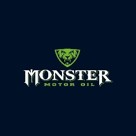


- The device element used in the subject trademark consisting of a figurative lion head is similar to the plaintiff’s registered device trademark consisting of a figurative lion head
As result of a holistic evaluation and taking into account the well-known status of the plaintiff’s “MONSTER ENERGRY” trademark, the Court concluded that there exists a likelihood of confusion, including a likelihood of association, between the disputed trademarks. In the action, the Court also found that the subject trademark would unfairly benefit from the reputation of the plaintiff’s well-known “MONSTER ENERGY” mark through image transfer, weaken the function of the plaintiff’s trademark in indicating the origin of its goods and thereby damage the distinctive character of the well-known mark, giving rise to dilution. The Court further held that the defendant’s adoption of the sign was not coincidental but rather aimed to exploit the mark unfairly and constituted bad faith. As a result of the proceedings, the action was accepted, and the subject trademark was invalidated entirely. This decision, which serves as a textbook example in trademark law, was subsequently upheld on appeal and cassation, thereby becoming final and binding.
Comments
In conclusion, this recent decision can be regarded as both illuminating and instructive. It offers valuable guidance for assessing the similarity of goods and services, safeguarding and registering color and figurative elements associated with globally renowned marks, and invoking such marks as a defensive mechanism against similar trademarks. As such, it provides important precedent and encouragement for both practitioners and scholars in the field of trademark law.
First published by WTR in Oct 28, 2025.